7 General Auto Repair Tips to Drive Safer
General auto repair keeps your vehicle safe, dependable, and efficient through inspections, maintenance, and timely repairs. It includes services such as oil changes, brake work, diagnostics, battery testing, tire care, steering, suspension, and engine repair. Regular attention helps prevent breakdowns, identify small problems early, and protect your vehicle’s long-term value.
What Does General Auto Repair Include?
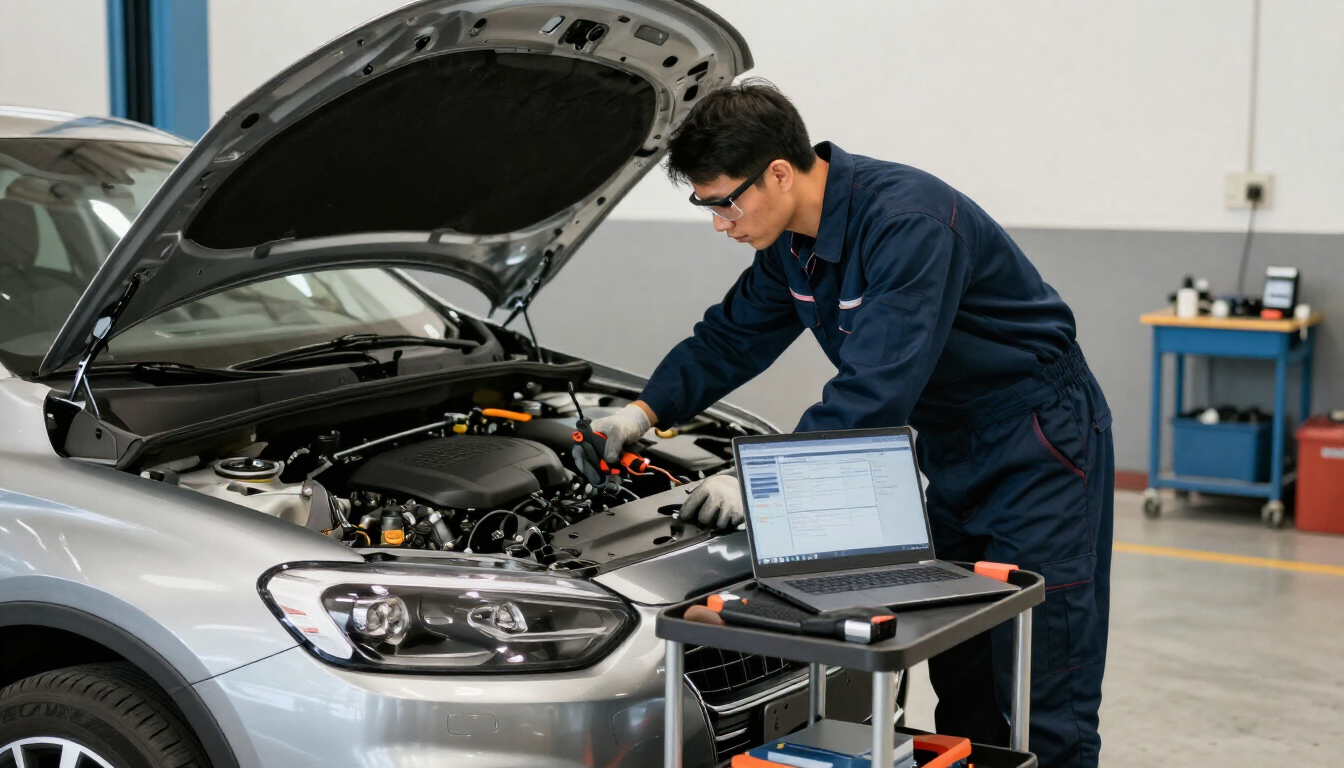
General auto repair covers the routine maintenance and mechanical services needed to keep most cars, trucks, and SUVs operating properly. Depending on the vehicle and its symptoms, a repair shop may provide:
- Oil and filter changes
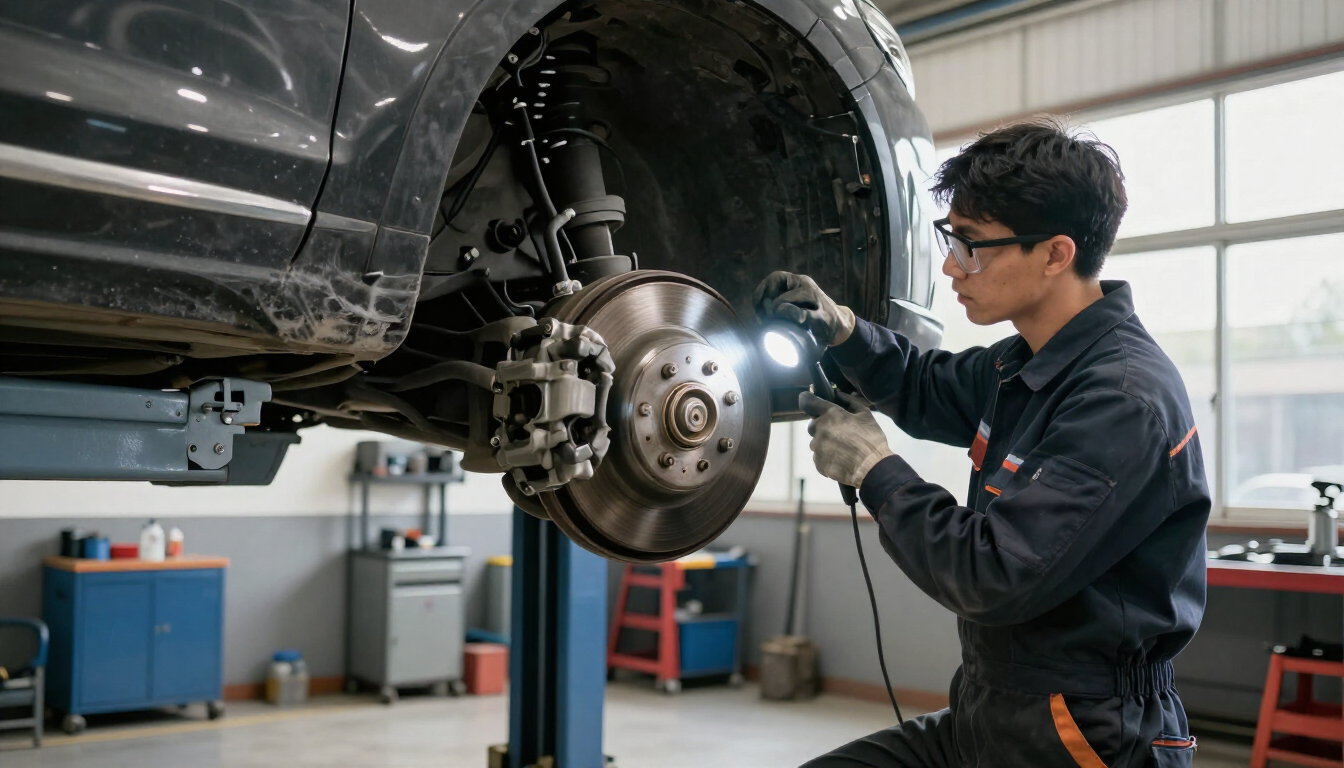
- Brake inspections and repairs
- Battery and alternator testing
- Tire rotation, balancing, and alignment
- Computer and vehicle diagnostics
It can also include cooling system service, exhaust repairs, suspension work, air conditioning service, transmission repairs, and factory-scheduled maintenance. A trustworthy technician should explain what was found, why it matters, and which repairs are urgent versus optional.
If you are unsure where to start, review the shop’s auto repair services or request an inspection before approving major work.
Why Is Routine Car Maintenance Important?
Routine maintenance is less expensive and less disruptive than waiting for a serious failure. An overdue oil change, worn brake pad, weak battery, or low tire can gradually create additional damage or a safety risk.
Preventive care can help you:
- Reduce the chance of unexpected breakdowns
- Maintain braking, steering, and handling performance
- Improve fuel economy and emissions performance
- Preserve resale value
- Follow the manufacturer’s service recommendations
Your owner’s manual is the best source for mileage and time-based intervals. Driving conditions matter, too. Frequent short trips, heavy traffic, towing, extreme temperatures, and dusty roads may require more frequent service.
7 Signs Your Vehicle Needs Repair
Some problems are easy to spot, while others begin as subtle changes in how your vehicle sounds or feels. Schedule a professional evaluation when you notice:
- Warning lights: The check-engine, battery, oil-pressure, ABS, or temperature light should not be ignored.
- Unusual noises: Grinding, squealing, knocking, clicking, or humming can point to worn or damaged components.
- Fluid leaks: Red, green, amber, brown, or clear fluid beneath the vehicle may indicate a developing problem.
- Vibration or pulling: Shaking during braking, steering-wheel vibration, or pulling to one side may involve tires, brakes, alignment, or suspension.
- Starting trouble: Slow cranking, repeated jump-starts, or a single click can indicate a battery, starter, or charging-system issue.
- Reduced performance: Hesitation, stalling, poor acceleration, rough idling, or decreased fuel economy deserves diagnosis.
- Burning smells or smoke: These symptoms can involve oil, coolant, electrical wiring, brakes, or other components and may require immediate attention.
If a red warning light appears, the engine overheats, or the vehicle loses braking ability, stop driving when it is safe and seek professional help.
How Often Should You Schedule General Auto Repair?
There is no single schedule for every vehicle. Most drivers should combine the manufacturer’s maintenance plan with regular inspections and attention to changing symptoms.
A practical approach is:
- Check tire pressure and fluid levels monthly.
- Follow the recommended interval for oil and filter service.
- Have brakes, tires, lights, belts, hoses, and wipers inspected during routine visits.
- Schedule seasonal checks before extreme summer or winter conditions.
- Book an inspection before a long road trip or after buying a used vehicle.
A shop can compare your vehicle’s mileage, age, service history, and driving habits with the manufacturer’s recommendations. Factory-scheduled maintenance is especially useful when you want a clear plan for upcoming services.
How Can You Choose a Reliable Auto Repair Shop?
The right shop should make the repair process understandable, not confusing. Before scheduling service, consider:
- Relevant experience: Ask whether the technicians regularly service your vehicle’s make, model, and system.
- Diagnostic process: A quality shop tests before replacing parts rather than guessing.
- Clear estimates: The estimate should identify labor, parts, taxes, and any recommended future work.
- Communication: You should receive updates if the diagnosis changes or additional work is needed.
- Warranty information: Ask what coverage applies to parts and labor. You can also review the shop’s warranty information .
- Customer feedback: Read customer reviews for patterns involving communication, workmanship, and follow-through.
A lower initial price is not always the best value. The better comparison includes diagnostic accuracy, parts quality, warranty coverage, and whether the repair addresses the actual cause of the problem.
What Questions Should You Ask Before Approving Repairs?
You do not need to be a mechanic to make an informed decision. Ask:
- What caused the problem?
- How did you confirm the diagnosis?
- Is the repair safety-critical, urgent, or simply recommended?
- What could happen if I wait?
- Are there repair options at different price points?
- What parts will be used, and what warranty covers them?
- Are there related issues that should be monitored?
A professional answer should be specific and supported by inspection findings. If the explanation is unclear, ask to see the worn part, diagnostic results, or inspection notes.
Common Auto Repair Services
Most general repair shops handle a broad range of maintenance and mechanical needs. Common services include:
Brakes, tires, and alignment
Brake pads, rotors, calipers, tires, wheel bearings, and alignment all influence stopping distance and vehicle control. Visit the brake repair and wheel alignment pages to learn more about these services.
Batteries and electrical systems
A no-start condition may involve the battery, alternator, starter, wiring, or charging system. Testing the complete system is more reliable than replacing the battery without checking the cause. See battery and starting system service for related information.
Engine and warning-light diagnosis
A check-engine light can result from a loose fuel cap, sensor issue, ignition problem, emissions fault, or mechanical concern. Auto diagnostics can help identify the source before repairs are recommended.
Cooling and climate control
Coolant leaks, overheating, weak cabin heat, or an air conditioner that blows warm air should be evaluated promptly. Cooling problems can cause severe engine damage if ignored.

Frequently Asked Questions About General Auto Repair
Is general auto repair only for older vehicles?
No. Newer vehicles still need oil changes, inspections, tire service, brake maintenance, software or computer diagnostics, and manufacturer-recommended care. Regular service can also help preserve warranty requirements and resale value.
Can I drive with a check-engine light on?
If the light is steady and the vehicle feels normal, arrange diagnostic service soon. If it flashes, the engine runs poorly, or the vehicle loses power, reduce driving and seek immediate professional advice.
How long does an auto repair inspection take?
The time varies by vehicle and symptom. A basic inspection may be completed relatively quickly, while intermittent electrical, drivability, or warning-light concerns may require additional testing.
Should I repair or replace my vehicle?
Compare the repair cost with the vehicle’s condition, age, maintenance history, safety, reliability, and expected future repairs. A professional inspection can provide facts for that decision rather than relying on mileage alone.
Key Takeaways
General auto repair is about more than fixing a breakdown. It combines scheduled maintenance, inspections, accurate diagnostics, and timely repairs to keep your vehicle safe and reliable. Pay attention to warning lights, unusual sounds, leaks, vibrations, and starting problems. Follow the manufacturer’s service schedule, choose a shop that explains its findings, and ask questions before approving work. If your vehicle is showing a new symptom—or if you are preparing for a long trip—schedule an inspection and address small concerns before they become expensive or dangerous repairs.